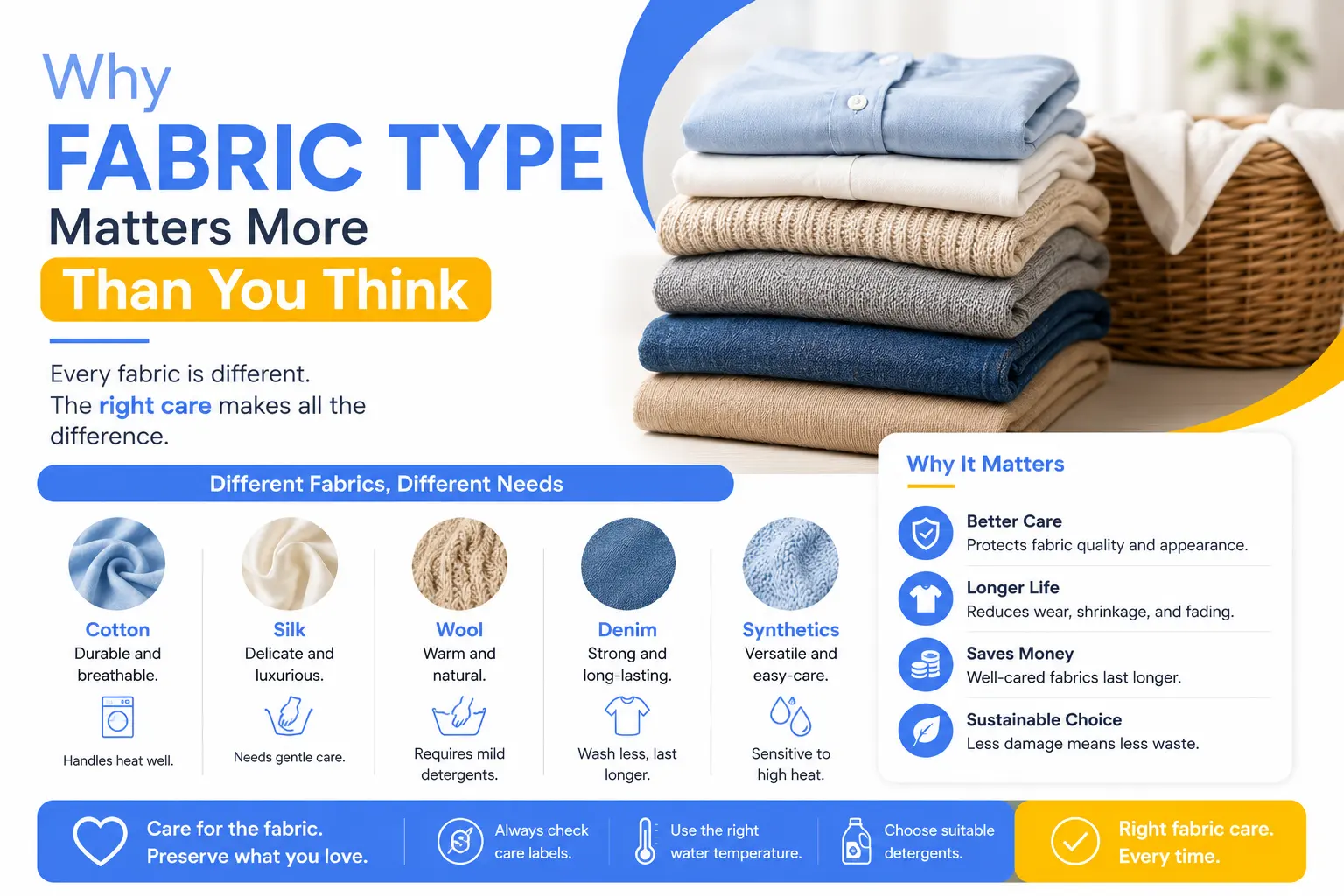




Frequent laundering is broadly connected with cleanliness and responsible clothing care in modern UK households. Many people think that washing garments after every wear is the safest approach to maintaining hygiene. Therefore, overwashing clothes, washing more often than needed, can have the opposite effect, decreasing garment lifespan, changing fabric structure, and harming the environment.
Each wash cycle exposes clothing to mechanical agitation, chemical detergents, and temperature changes. Over time, these factors collectively degrade fibres, fade colours, and weaken garment construction.
From a practical and sustainability perspective, adopting a measured and informed approach to washing is essential. Organisations such as WRAP (Waste and Resources Action Programme) highlight that extending the life of clothing is one of the most effective ways to reduce textile waste and environmental impact in the UK.
Understanding Overwashing in Modern Laundry
-
What Is Overwashing?
Overwashing occurs when garments are washed more frequently than required, or when harsh washing methods are used unnecessarily. Many clothes are washed out of habit rather than actual need. As per the guidance, everyday items such as denim, outerwear, and knitwear often do not require washing after every wear unless visibly soiled or exposed to sweat. Despite this, routine laundering remains common practice, which contributes to accelerated wear and fabric degradation.
Overwashing can also involve using inappropriate cycles, excessive detergent, or hot water unnecessarily, which further damages fabric fibres and accelerates colour fading. Many UK households unknowingly shorten the life of their clothing by following outdated habits rather than evidence-based laundry guidance.
-
Why Overwashing Is Harmful
Repeated washing, even on gentle cycles, gradually weakens fibre structure, fades colours, and reduces garment durability. Over time, this leads to clothing that loses both visual appeal and structural integrity. Beyond practical concerns, overwashing also increases household water and energy usage, contributing to environmental and economic costs.
How Washing Affects Fabric
-
Mechanical Stress from Washing Machines
Garments in washing machines undergo continuous movement and friction, which gradually wears down fibres. Even modern, energy-efficient machines rely on agitation to clean clothing. Over time, repeated friction can cause thinning fabric, weaker seams, and reduced durability, particularly in high-stress areas like cuffs and collars.
Professional laundry services, such as Snowwhite, use specialised cycles that reduce mechanical stress, protecting fibres while still providing effective cleaning. This ensures that clothing remains intact even after multiple washes.
-
Chemical Effects of Detergents
Detergents remove dirt, oils, and bacteria, but excessive use or frequent washing can harm fibres. UK guidance from organisations such as the NHS emphasises that effective cleaning does not require excess detergent. Residue from overuse can make fabrics stiff, trap odours, and accelerate fibre wear, reducing softness and comfort.
Snowwhite Laundry Services uses controlled amounts of eco-friendly detergents to balance cleaning effectiveness with fabric preservation, extending garment lifespan while maintaining hygiene.
-
Thermal Stress from Heat
Heat exposure from washing and drying can cause fibres to expand and contract, leading to permanent structural changes. Natural fibres, such as cotton and wool, are particularly sensitive and may experience shrinkage, stretching, or loss of elasticity.
Snowwhite applies precise temperature settings for each fabric type, minimising shrinkage and maintaining garment shape. By reducing exposure to unnecessary heat, professional laundry ensures that clothes retain their fit, texture, and softness.
Effects of Overwashing on Clothes
-
Fabric Weakening and Fibre Breakdown
Repeated washing gradually weakens the internal structure of fibres, making garments more susceptible to tearing, fraying, and general wear. Areas exposed to frequent friction, such as seams and cuffs, are particularly vulnerable.
Snowwhite Laundry Services utilises gentle cycles and fabric-specific handling to maintain strength and durability, ensuring garments remain wearable for longer.
-
Colour Fading and Loss of Vibrancy
Textile dyes break down over time, especially when exposed to heat and strong detergents. This leads to dull, uneven colours and a prematurely aged appearance, often prompting replacement even when the garment is structurally intact.
Professional laundry services like Snowwhite use colour-preserving detergents and cold-water washes to maintain the brightness and vibrancy of UK wardrobes.
-
Loss of Shape and Fit
Repeated exposure to water and heat can cause garments to shrink or stretch, while elastic components like waistbands weaken. Over time, this affects both fit and comfort, making clothes less wearable.
Snowwhite applies tailored care methods for garments with elastic or delicate construction, helping them retain their intended shape and comfort.
-
Surface Wear and Pilling
Friction during washing can cause fibres to tangle, forming small balls on the fabric surface, known as pilling. Pilling affects both the appearance and texture of clothing, giving garments a worn look even if they are relatively new.
Professional handling by Snowwhite minimises friction, reducing pilling and maintaining fabric smoothness and aesthetics.
-
Reduced Softness and Comfort
Frequent washing strips natural oils and finishes from fabrics, reducing softness. Excess detergent can leave residue, decreasing breathability and comfort. This is particularly noticeable in cotton-based garments, which become rough and stiff over time.
Snowwhite’s washing methods prioritise gentle fabric care, ensuring clothes remain soft, breathable, and comfortable while still hygienically cleaned.
The Impact on Clothing Lifespan
Overwashing significantly reduces the usable life of garments. Clothes washed too frequently lose structural integrity and visual appeal faster, leading to more frequent replacement.
Research by WRAP indicates that extending the active life of clothing by just nine months can reduce carbon, water, and waste footprint by up to 20%, demonstrating the importance of mindful washing in the UK context.
By understanding these effects, UK households can adopt smarter washing routines that reduce wear while maintaining hygiene, ultimately saving money and protecting the environment.
Environmental and Economic Implications in the UK
-
Resource Consumption
Frequent washing increases household consumption of water and energy. With energy efficiency a growing concern, reducing unnecessary laundry cycles can lower utility costs while also helping the environment.
-
Textile Waste and Sustainability
The UK generates significant textile waste each year. Overwashing contributes to shortening garment lifespan, leading to more frequent disposal. Organisations like DEFRA emphasise sustainable consumption and waste reduction as national priorities.
By reducing washing frequency, households can preserve clothing quality, reduce landfill contribution, and support broader UK sustainability goals.
-
Microfibre Pollution
Washing synthetic fabrics releases microfibres into wastewater systems. These particles can enter rivers and oceans, contributing to long-term environmental pollution. Minimising washing frequency is a simple, effective measure to reduce microfibre release.
Snowwhite employs advanced washing techniques that capture microfibres, further reducing environmental impact while maintaining fabric quality.
Best Practices to Prevent Overwashing
-
Assess When Washing Is Necessary
Clothing should be washed based on actual need rather than routine. Garments that are not visibly dirty or odorous can often be worn multiple times without washing. This simple adjustment can extend garment lifespan significantly.
-
Use Appropriate Washing Methods
When washing is required, lower temperatures, shorter cycles, and separating delicate from heavy fabrics reduce stress on fibres. Delicate items, such as silk and lace, benefit from specialist care to maintain texture and integrity.
-
Manage Detergent Use
Correct detergent usage ensures effective cleaning without damaging fibres. Overuse does not improve results and can weaken fabrics, leave residue, and irritate skin. Snowwhite carefully measures detergent for each load, ensuring optimal cleaning and minimal impact on fabrics.
-
Support Fabric Longevity
Simple practices, such as airing garments between wears, spot cleaning stains, and avoiding high heat drying, reduce the need for full wash cycles. These measures preserve colour, softness, and elasticity, extending the life of your wardrobe.
Supporting Long-Term Fabric Care with Snowwhite Laundry Services
At Snowwhite Laundry Services, professional UK laundry solutions combine expert care with eco-conscious practices. Snowwhite’s services are designed to:
- Maintain fibre integrity and colour vibrancy
- Use eco-friendly detergents and energy-efficient processes
- Treat delicate fabrics and high-value garments with specialist cycles
- Reduce unnecessary washing through stain-focused treatments and professional spot cleaning
By choosing Snowwhite, UK households enjoy long-lasting, fresh, and well-maintained clothing, while also reducing environmental impact and utility costs.
Frequently Asked Questions
How does overwashing affect clothing durability?
Overwashing weakens fibres which leads to thinning, tearing, and colour fading. Reducing unnecessary washes helps garments retain strength, shape, and longevity while preserving their appearance.
Is it necessary to wash clothes after every use?
No, most clothing can be worn multiple times unless visibly soiled, sweaty, or odorous. Airing garments between wears can maintain freshness and reduce fibre damage.
Does overwashing contribute to environmental issues?
Yes, frequent washing increases energy and water consumption, accelerates textile waste, and releases microfibres into UK waterways, contributing to pollution and higher household environmental footprints.
What is the recommended washing approach in the UK?
UK guidance recommends washing clothes only when needed, using lower temperatures, gentle cycles, and avoiding overloading machines to protect fabrics and reduce environmental impact.
How can I make my clothes last longer?
Extend garment life by washing less frequently, using cold or gentle cycles, avoiding excess detergent, and air-drying clothes to maintain fabric quality and reduce wear.
Conclusion
Over-washing is a common but avoidable habit that affects clothing quality, household costs, and environmental sustainability. By understanding the effects of repeated washing and adopting smarter laundry practices, it is possible to extend garment life, preserve colour and shape, and reduce resource consumption.
In the UK, where sustainability and waste reduction are increasingly prioritised, combining mindful laundry habits with professional services like Snowwhite Laundry Services ensures garments remain fresh, durable, and environmentally responsible.